
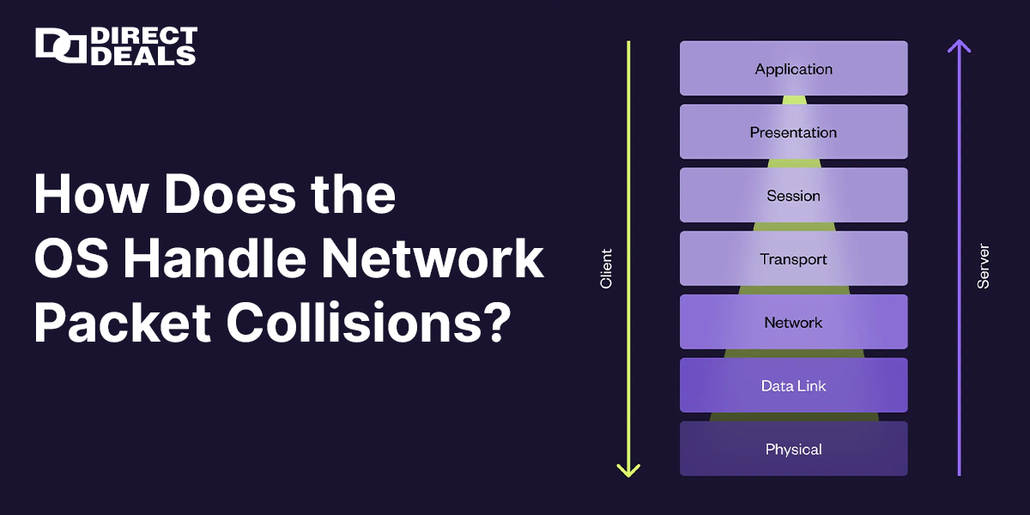
How Does the OS Handle Network Packet Collisions?
Posted by Admin on February 12, 2026
In the fast paced world of digital communication, network packet collisions are a common yet critical issue, especially in shared environments. Whether you're managing a home setup or an enterprise grade system, it's important to understand how your operating system tackles these collisions to maintain a smooth, stable network. Let’s dive into the mechanics behind it.
What Are Network Packet Collisions?
A packet collision occurs when two devices on the same network attempt to send data simultaneously. This causes the data to interfere with each other, leading to corruption and the need for retransmission. While modern networks are more efficient, collisions can still occur, particularly in legacy systems or crowded networks.
How Does the Operating System Handle Collisions?
Operating Systems are designed to detect, manage, and recover from these collisions using several built in mechanisms:
1. Carrier Sense Multiple Access with Collision Detection (CSMA/CD):
This technique is commonly used in Ethernet environments. Here's what happens:
- The OS listens to the network before sending data.
- If the channel is clear, it transmits the packet.
- If a collision is detected during the process, it immediately halts transmission, waits a random backoff period, and retries.
2. Acknowledgment and Retransmission:
When using protocols like TCP/IP, the OS expects an acknowledgment (ACK) after sending a packet. If the ACK isn’t received (possibly due to a collision), the system automatically resends the data.
3. Error Detection and Correction:
The OS incorporates techniques like CRC (Cyclic Redundancy Check) to verify data integrity. If errors are detected, data is either corrected or resent.
These mechanisms together help ensure network resilience and data accuracy even in environments prone to collisions.
Conclusion
While packet collisions may seem like a behind the scenes technical challenge, they can directly affect network speed, performance, and reliability. Thankfully, operating systems are equipped with smart protocols that efficiently manage these issues without interrupting your work.
And when you're ready to take your network performance to the next level, trust the name with 27+ years of trust DirectDeals. Whether you need help with open source compliance, optimizing IT infrastructure, or building a secure and high performing network, we’ve got you covered.
Contact DirectDeals Today!
For assistance with open source compliance or any other network related queries, contact us:
Phone: 1-800-983-2471
Email: sales@directdeals.com
Website: www.directdeals.com
Let DirectDeals help you stay compliant and protect your product while fostering innovation with open source technology.